PALUM supports plastic component projects across different application environments through mold engineering, precision tooling, injection molding and project-specific manufacturing processes.
Plastic components may look similar in shape, but their manufacturing requirements can change significantly according to application environment, material performance, surface expectations, assembly conditions and production needs.
Operating environment, user interaction, surrounding components and application conditions influence what the finished plastic part needs to achieve.
Material behavior, dimensional relationships, surface appearance, functional features and production expectations define the manufacturing requirements of the component.
Mold engineering, material processing, molding conditions and applicable secondary operations should be coordinated around the actual requirements of the part and its application.
The manufacturing approach should be developed around the component’s actual geometry, material, surface, assembly and application requirements rather than around a fixed process assumption.
PALUM supports precision mold manufacturing and injection molding projects across automotive, medical, electronics and home appliance applications, with manufacturing decisions developed around the requirements of each component.
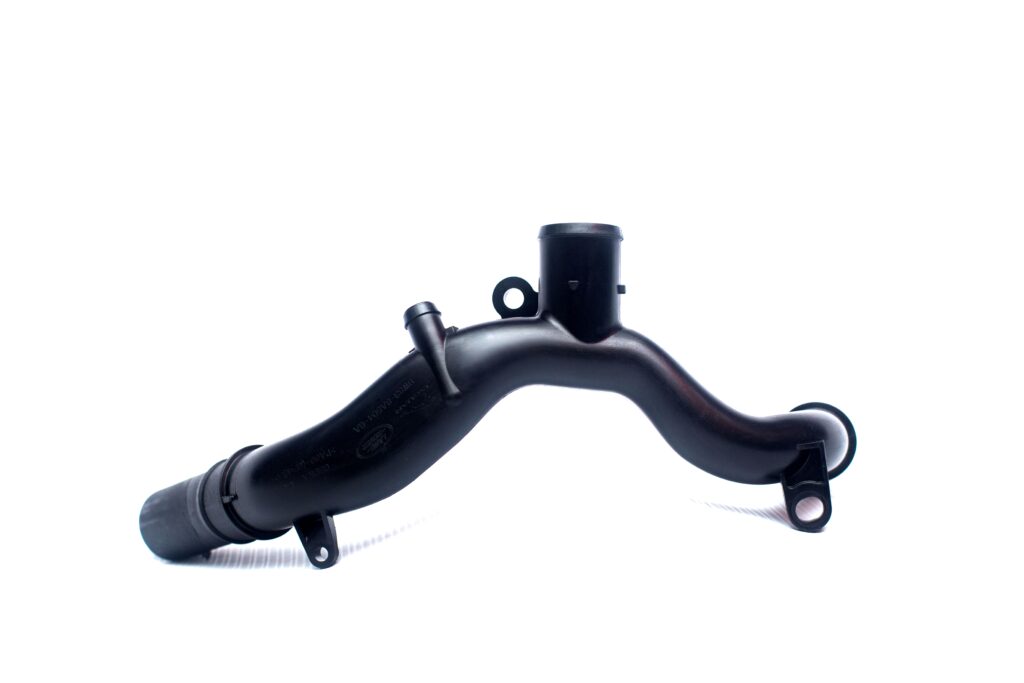
Mold manufacturing and injection molding support for automotive interior, exterior and functional plastic components, including parts with project-specific material, dimensional and assembly requirements.
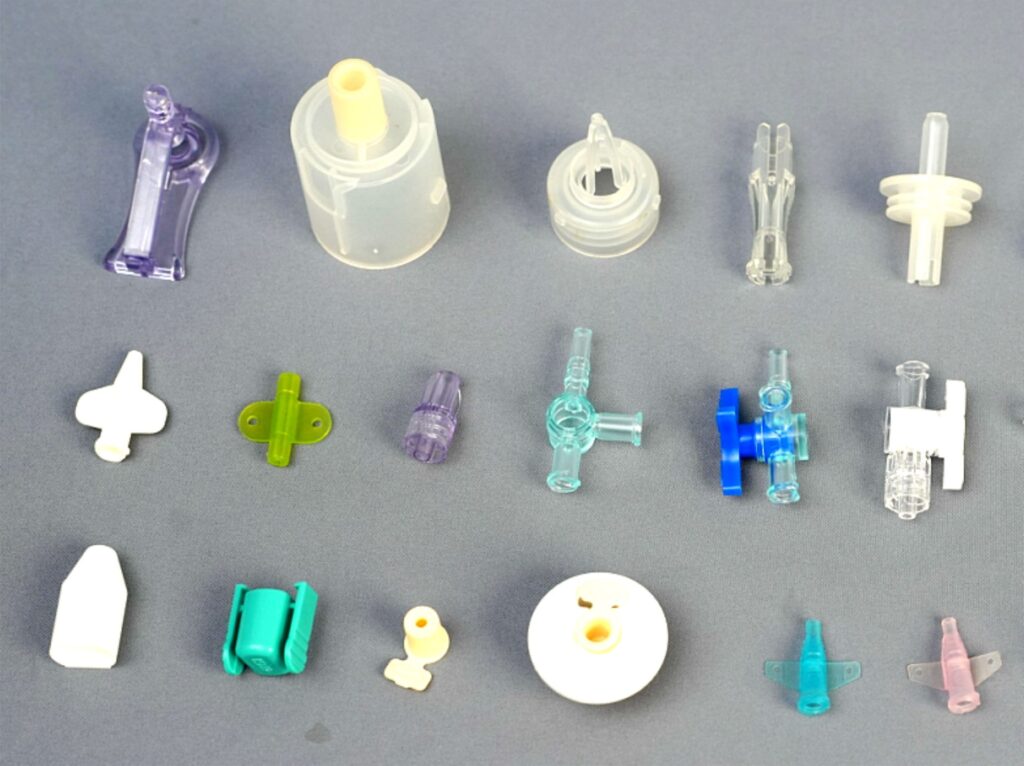
Precision plastic mold manufacturing and molding support for medical-related components and production projects.
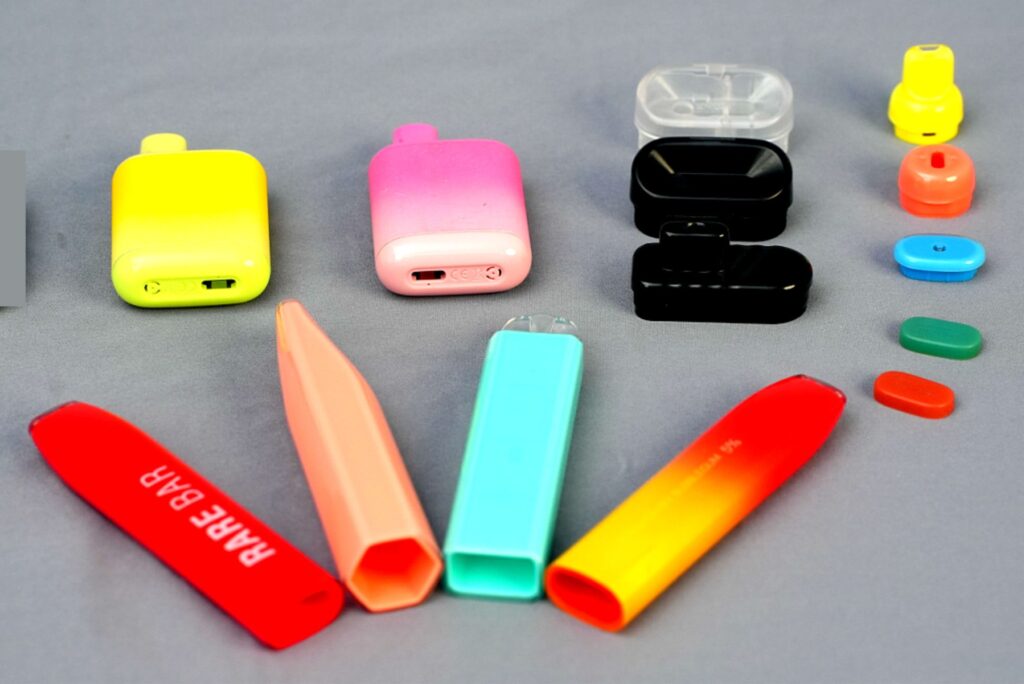
Tooling and molded plastic component support for electronic and electric product applications.
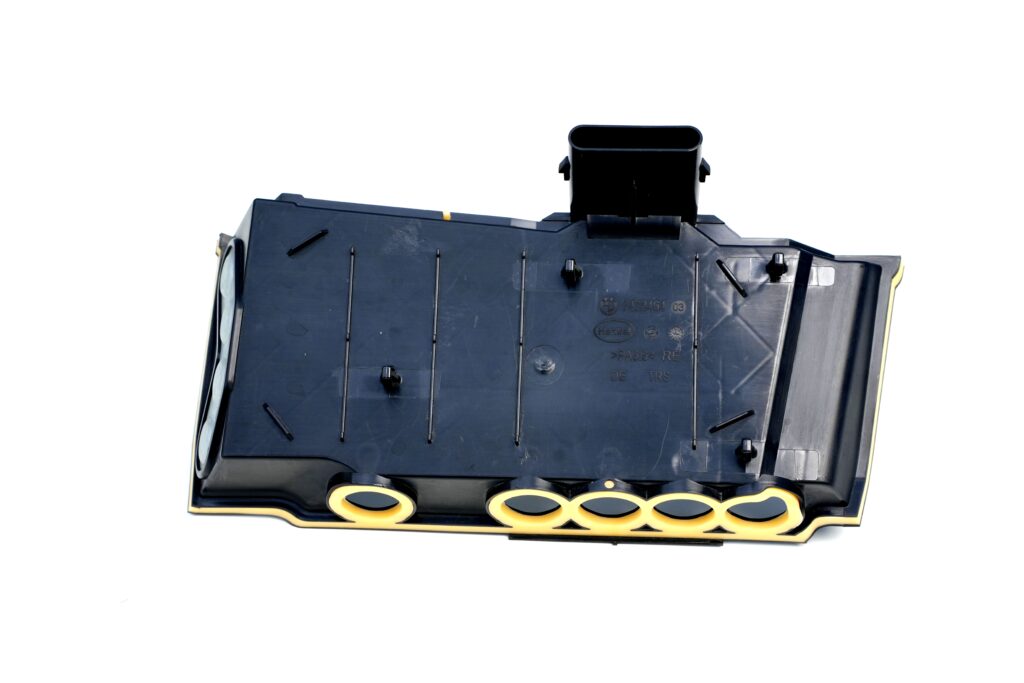
Mold manufacturing and injection molding support for appliance housings, structural parts and related plastic components used in home appliance assemblies.
Different applications bring different requirements for tooling, materials, part geometry, appearance, assembly and production. PALUM develops the manufacturing approach around the needs of the actual component and project.
Part geometry, material behavior, molding strategy and production requirements influence how tooling should be developed. PALUM reviews these factors before defining the manufacturing approach for each project.
Early engineering review helps identify potential molding issues and supports decisions around tooling structure, gating and production planning.
Product geometry is reviewed for moldability before tooling development, including features that may influence filling, deformation and mold structure.
Filling behavior, shrinkage and weld-line conditions can influence gate location, parting-line decisions and the final mold structure.
The required component and production conditions determine whether the project uses conventional injection molding or a more specialized molding approach.
Some applications require tooling and molding strategies developed around specialized part geometry or multi-material manufacturing requirements.
Tooling development should support stable mold trials, process adjustment and the transition from initial validation into production.
The manufacturing route is developed according to the actual component requirements rather than applying the same tooling and molding approach to every project.
PALUM coordinates engineering review, tooling development, mold trials and injection molding around the requirements of each project, supporting the transition from initial part analysis into production.
Part geometry and molding conditions are reviewed through early engineering analysis before tooling development.
Mold structure, gating and manufacturing details are developed according to the part and process requirements.
Mold trials provide the basis for reviewing part formation, process conditions and necessary tooling adjustments.
Injection molding conditions are established according to the selected material, mold and component requirements.
Following mold trials and process preparation, projects can transition into controlled batch production.
Injection molding machine range
Single- and two-component molding
Mold trial support
Injection molding production
Engineering, tooling and molding decisions are coordinated through the project so that the manufacturing route remains connected to the actual component requirements.
Part geometry, flow behavior, component configuration and production requirements influence how tooling and molding decisions are developed for each project.
Early analysis supports decisions around part formation, mold structure, gating and other manufacturing considerations.
Part features and geometry influence how the mold should be structured and how the component can be formed and released.
Mold flow analysis helps evaluate filling behavior, deformation, shrinkage and weld-line conditions before tooling is finalized.
Component requirements can determine whether the project uses conventional molding or a multi-component or specialized molding process.
Mold trials and process preparation help connect tooling development with subsequent injection molding production.
Application and component requirements guide tooling and molding decisions so that the manufacturing approach remains connected to the actual part rather than to a fixed process.
PALUM combines engineering, tooling, injection molding and production capabilities within a connected manufacturing system built around project requirements.
Early analysis supporting mold structure and tooling decisions.
Precision machining processes supporting mold manufacturing and tooling development.
Mold trial and injection molding support across the available machine range.
Process options for components requiring specialized molding configurations.
Automated manufacturing and process data support for production control.
Inspection and process checks supporting tooling and production preparation.
Engineering · Tooling · Injection Molding · Specialized Processes · Automation · Quality Control
From early engineering review to mold manufacturing and injection molding, project requirements can influence the manufacturing approach. These answers cover several questions commonly considered when evaluating a mold and molding partner.
PALUM supports project-specific engineering, tooling and molding requirements across multiple application areas.
PALUM supports mold manufacturing and injection molding projects for automotive, medical, electronics and home appliance applications. Manufacturing decisions are developed around the component geometry, material, molding process and production requirements of each project.
The manufacturing approach is developed from the actual component requirements. Part geometry, filling behavior, material configuration and production needs may influence mold structure, gate location, parting-line decisions and the selection of an applicable molding process.
Yes. PALUM supports precision mold manufacturing, mold trials and injection molding production. Available injection molding equipment ranges from 50T to 530T, including single-component and two-component molding capabilities.
PALUM can support early engineering analysis including DFM, mold flow and warpage evaluation. These reviews help identify factors such as shrinkage, weld lines, filling behavior, gate location and parting-line considerations before mold manufacturing progresses.
Depending on the component and project requirements, PALUM can support processes including 2K molding, multi-cavity tooling, gas-assisted molding, water-assisted molding, overmolding and insert molding.
Share your part drawings, tooling requirements or production needs with PALUM. Our team can review the project requirements and discuss the next manufacturing steps.
Part drawings, tooling requirements or production needs.
Review component and project-specific manufacturing requirements.
Align tooling, molding and production considerations for the project.
Engineering Review · Mold Manufacturing · Injection Molding
Use the form below to share your requirements and upload available drawings or reference files.
Your project information will be used to review your inquiry and prepare the appropriate manufacturing response.