palummold.com

MEDICAL DEVICE MANUFACTURING

Medical Device Mold Manufacturing & Injection Molding Solutions

PALUM supports medical plastic component projects through mold engineering, precision tooling, injection molding and project-specific secondary operations — from initial drawing review through production.

Precision Mold Engineering
Injection Molding
Project-Specific Validation
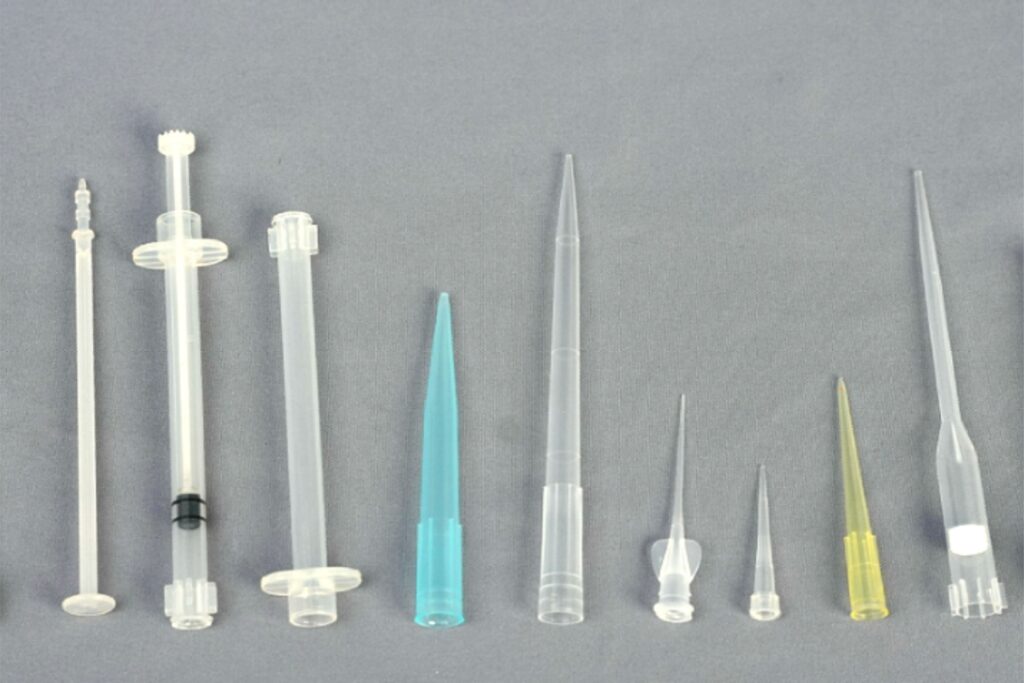
MEDICAL PLASTIC COMPONENT
MEDICAL COMPONENT MOLD

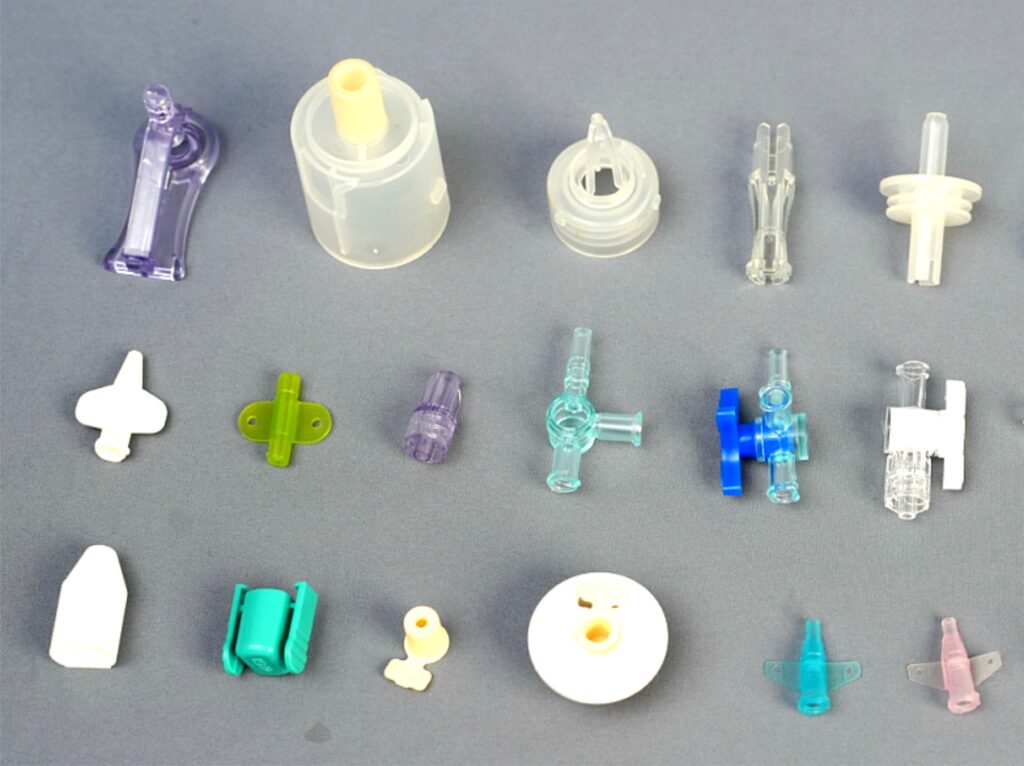
Medical Plastic Parts Built Around Project Requirements

Dimensional & Assembly Fit
Material & Surface Requirements
Repeatable Production
MEDICAL PLASTIC COMPONENT SOLUTIONS
MEDICAL PLASTIC COMPONENT EXPERTISE

Engineering Around the Requirements of Medical Plastic Components

Medical plastic components often require more than successful molding. Dimensional consistency, material requirements, surface quality, assembly fit and repeatable production all need to be considered from the tooling stage. PALUM coordinates mold engineering and injection molding requirements around the specific needs of each medical component project.

ENGINEERING APPROACH

Tooling Decisions Start with the Final Part Requirement

Part geometry, material, appearance, assembly conditions and project-specific validation requirements influence how the mold and molding process should be developed.
MEDICAL COMPONENT ENGINEERING REQUIREMENTS

Key Factors Considered During Tooling & Production Planning

01

Dimensional Control

Critical dimensions, interfaces and assembly relationships are considered during tooling and molding development.

02

Material Requirements

Material selection and molding requirements are reviewed according to the functional, structural and application needs of the part.

03

Assembly & Surface Requirements

Mating features, visible surfaces and project-specific finish requirements are considered during mold and process planning.

04

Production Repeatability

Mold construction, molding conditions and project-specific verification requirements are coordinated around stable and repeatable production expectations.

MEDICAL DEVICE PART APPLICATIONS

Medical Plastic Components We Support

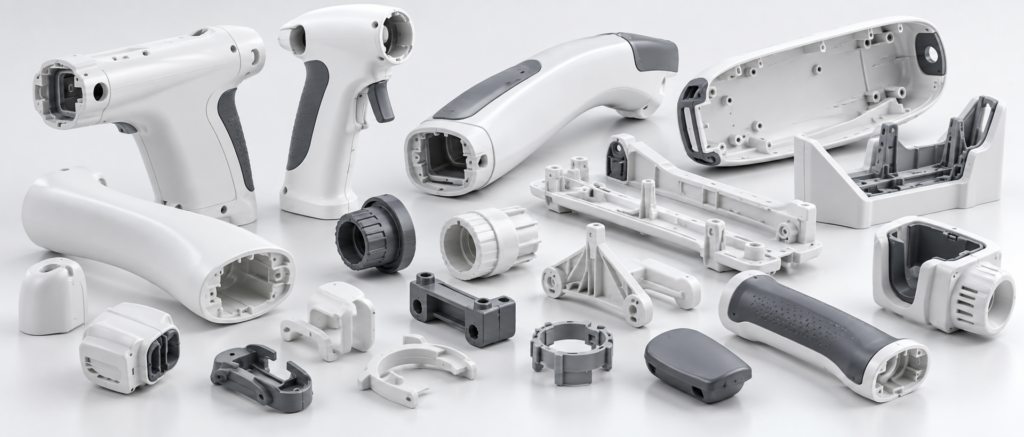
PALUM supports mold development and injection molding for medical plastic components across equipment housings, structural parts and functional applications. Part requirements vary by geometry, material, assembly conditions and project-specific production needs.

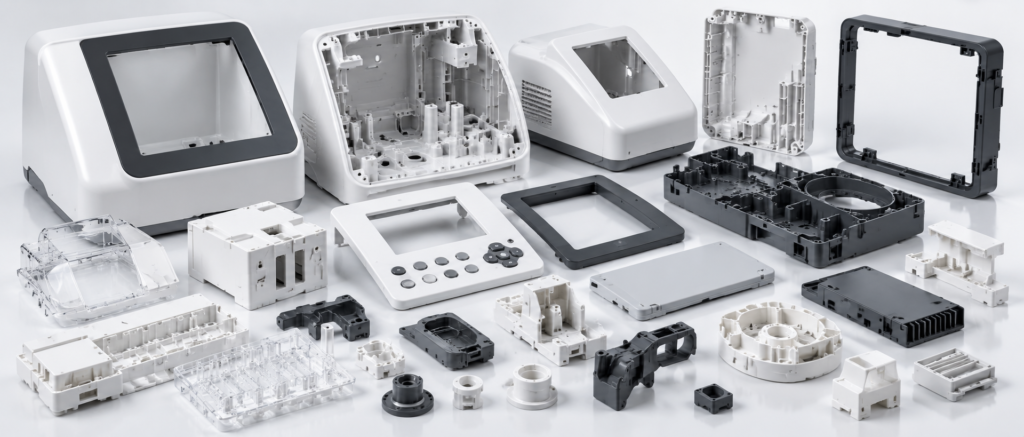
DIAGNOSTIC APPLICATION
01

Diagnostic Equipment Components

Mold and molding support for plastic housings, covers and structural components used in diagnostic and testing equipment.

Equipment Housings
Display Bezels
Control Covers
Internal Frames
Mounting Components
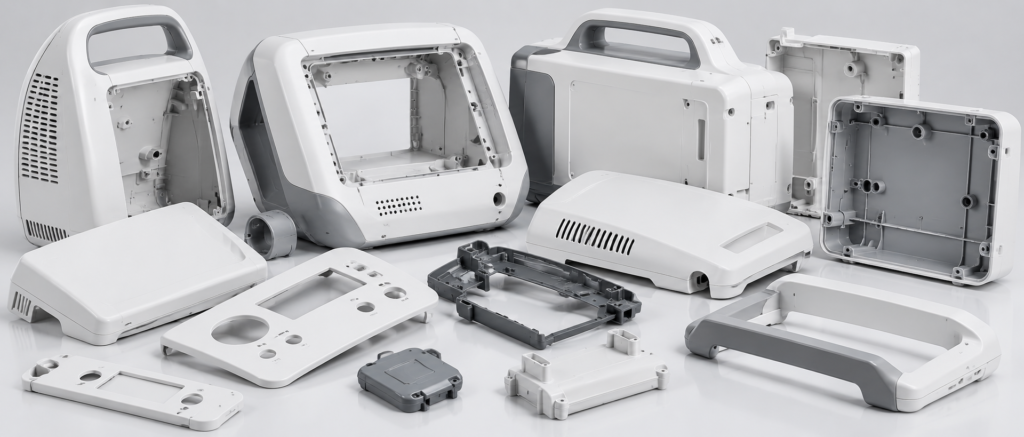
HOUSING APPLICATION
02

Medical Equipment Housings

Plastic enclosure components developed around part geometry, surface requirements, assembly interfaces and repeatable molding needs.

Outer Covers
Equipment Panels
Protective Housings
Assembly Covers
Structural Enclosures
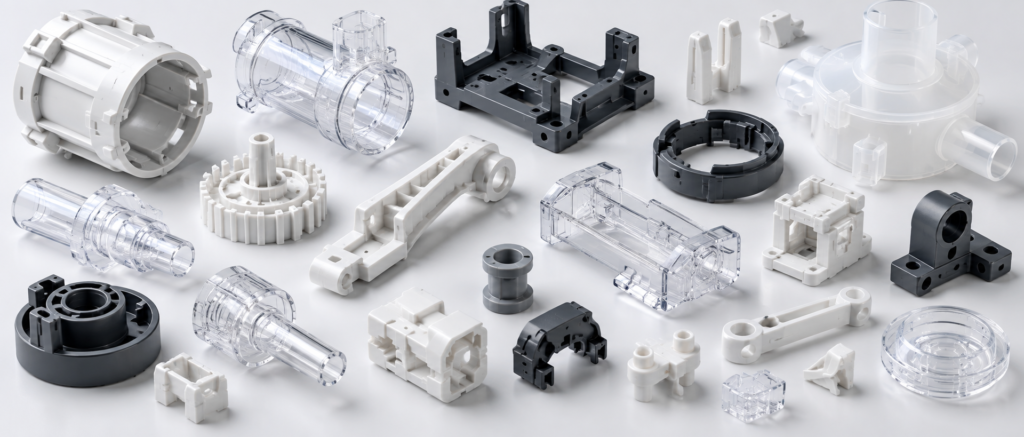
PRECISION APPLICATION
03

Precision Functional Components

Tooling and molding support for functional plastic parts where geometry, dimensional relationships and assembly fit are important to the final component.

Internal Components
Precision Features
Mating Parts
Mounting Features
Structural Parts
ASSEMBLY APPLICATION
04

Handheld & Assembly Components

Plastic components for handheld and assembled medical products with project-specific requirements for fit, surface quality and molded-part consistency.

Handheld Housings
Handles
Assembly Parts
Connectors
Clips & Brackets

Part applications, materials and manufacturing requirements are evaluated according to each specific medical device project.

MULTI-MATERIAL MOLDING

2K & Overmolding for Integrated Medical Components.

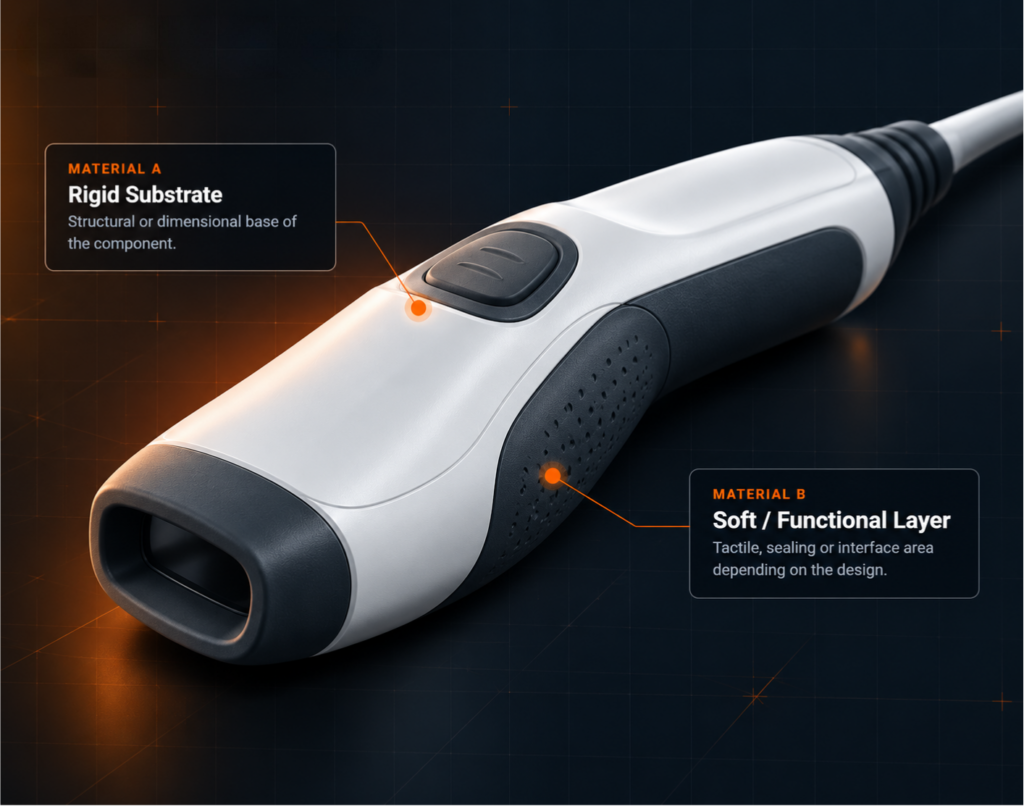
2K molding and overmolding can combine rigid and soft materials within one molded component. For suitable medical device projects, these processes can support grip areas, sealing features, tactile interfaces and integrated functional zones.

2K / MULTI-MATERIAL COMPONENT
INTEGRATED PART DESIGN

Combining Material, Surface and Function Within One Molded Part

Multi-material molding can be considered where a medical plastic component requires both rigid structure and a softer or functional interface. The process approach depends on material compatibility, interface geometry, part design and the intended function of the finished component.

01

Grip & Tactile Interfaces

Soft-touch zones can be integrated into handles, grips, controls and other user-contact areas where the part design allows.

02

Sealing & Protection

Overmolded functional areas can support sealing, cushioning or protective interfaces where the part design and material combination allow.

03

Functional Integration

Different material zones can be combined within one molded component to support project-specific functional and assembly requirements.

DESIGN CONSIDERATIONS

Final process design depends on the specific component and selected materials.

Material Compatibility

Material pairing and bonding behavior should be considered during part and process development.

Interface Design

Hard-soft transition areas and interface geometry influence how materials are integrated.

Gate & Flow Planning

Filling behavior, gating and molding sequence need to be evaluated around the component geometry.

Surface Requirements

Appearance, texture and functional contact areas influence mold and process planning.

MEDICAL DEVICE MATERIALS

Materials for Medical Plastic Components

Material selection for medical plastic components depends on part function, geometry, surface requirements, assembly conditions and the intended production process. PALUM evaluates material and molding requirements according to the specific component and project requirements.

MATERIAL GROUP & APPLICATION
MATERIAL OPTIONS & PROJECT CONSIDERATIONS
01

General & Structural Plastics

Housings, covers, panels and general structural plastic components where part geometry, appearance and assembly requirements need to be balanced.

TYPICAL MATERIAL TYPES
ABS
PP
PC/ABS
PROJECT CONSIDERATIONS
Surface Appearance
Assembly Fit
Dimensional Requirements
Production Conditions
02

Engineering Plastics

Functional and structural components where mechanical behavior, dimensional stability or specific application requirements are important.

TYPICAL MATERIAL TYPES
PA
PBT
POM
PROJECT CONSIDERATIONS
Mechanical Performance
Dimensional Stability
Temperature Requirements
Functional Requirements
03

Optical & Appearance Materials

Lighting, transparent covers and visible automotive components where appearance is an important project requirement.

TYPICAL MATERIAL TYPES
PC
PMMA
PROJECT CONSIDERATIONS
Transparency
Surface Appearance
Visual Requirements
Mold & Process Planning
04

High-Performance & Project-Specific Materials

Material selection for components with more demanding structural, dimensional or application requirements is evaluated according to the specific project.

TYPICAL MATERIAL TYPES
PEEK
PPS
Project-Specific Resin
PROJECT CONSIDERATIONS
Application Requirements
Dimensional Stability
Process Conditions
Part Geometry
MATERIAL SELECTION

The Material Must Match the Part — Not the Other Way Around

Final material selection should consider part geometry, operating environment, appearance, assembly conditions, molding behavior and project-specific performance requirements.

Part Geometry
Application Requirements
Surface Requirement
Assembly Interface
Molding Process
MEDICAL QUALITY CONTROL

Verification from Tooling Through Production

For medical plastic components, verification needs to follow the part drawing, geometry, assembly relationships and project-specific acceptance requirements. PALUM coordinates checks from mold trial through production according to the confirmed project scope.

QUALITY VERIFICATION WORKFLOW
FROM TOOLING REVIEW TO FINAL PART VERIFICATION
01

Drawing & Requirement Review

Critical dimensions, appearance areas, assembly interfaces and project-specific requirements are identified before tooling and production planning.

02

Tooling & Trial Verification

Mold trials are used to evaluate part formation, dimensions, appearance and other requirements relevant to the finished component.

03

In-Process Inspection

Production checks are coordinated around dimensional consistency, visible part quality and process-related requirements.

04

Final Part Verification

Finished parts are reviewed against the applicable drawing, sample or project-specific acceptance requirements before shipment.

QUALITY FOCUS

What Defines the Verification Scope

Drawing Requirements

Part drawings and specifications define the dimensions, interfaces and other requirements that need to be checked.

Trial Findings

Results from mold trials help identify the checks and adjustments that are relevant before production.

Reference Samples

Approved samples or project references can be used where visual, fit or other agreed comparison criteria are required.

Project-Specific Acceptance Criteria

Final inspection scope is aligned with the acceptance requirements agreed for the specific component and project.

PROJECT-SPECIFIC QUALITY REQUIREMENTS

Inspection Scope Follows the Requirements of the Part

Inspection methods, checkpoints and acceptance criteria are defined according to component geometry, drawing requirements, production conditions and the agreed project scope.

MEDICAL DEVICE PROJECT FAQ

Frequently Asked Questions About Medical Plastic Component Projects

Common questions about project preparation, engineering review, tooling and injection molding support for medical plastic components.

What information should I provide for a medical plastic component project?

Part drawings or 3D files are the best starting point. Material requirements, expected quantity, surface requirements, assembly conditions and other project-specific information can also help PALUM review the project more accurately.

Yes. PALUM can support DFM and engineering review before tooling begins, including part manufacturability, mold structure, assembly relationships and key molding considerations.

Yes. PALUM can coordinate mold development and injection molding within the same manufacturing workflow so tooling and molding requirements can be considered together.

Yes. A drawing, 3D file, part sample or other available reference information can be used as the starting point for project discussion and manufacturing review.

You can send the information currently available. Material selection, production volume and other project requirements can be clarified during the engineering and project review process.

Project requirements are reviewed according to the specific part, application and manufacturing scope.

MEDICAL DEVICE PROJECT SUPPORT

Ready to Start Your Medical Plastic Component Project?

Share your part drawing and the project information you already have. PALUM can review the tooling and injection molding requirements and help define the next manufacturing step.

REQUEST A PROJECT REVIEW

Send Your Project Details

Use the form below to share your requirements and upload available drawings or reference files.

Your project information will be used to review your inquiry and prepare the appropriate manufacturing response.