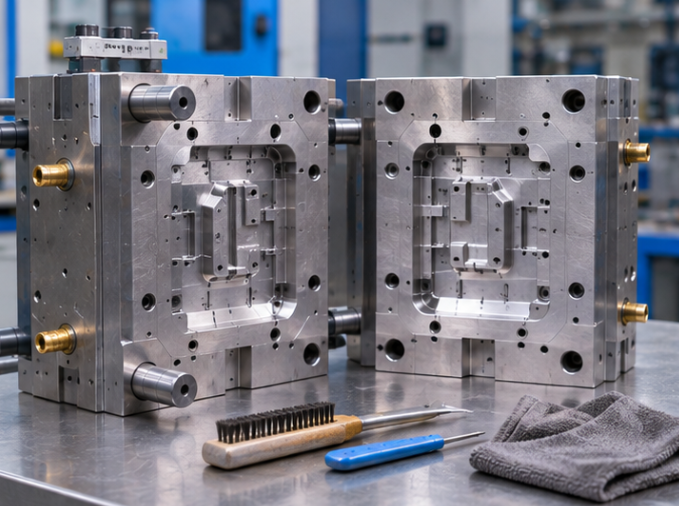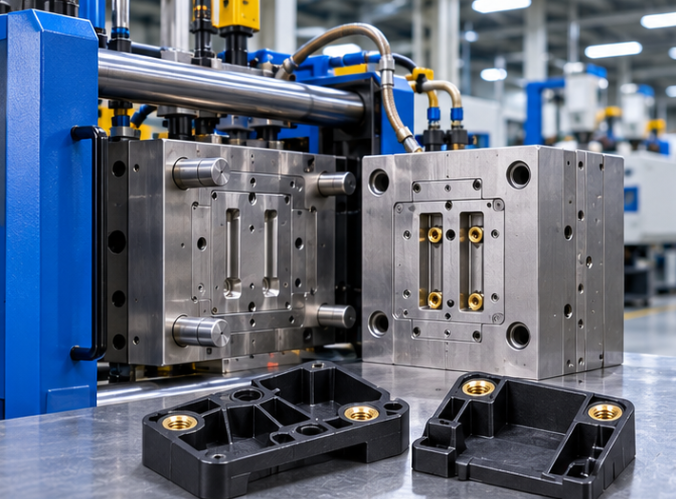

An injection mold RFQ should give a manufacturer enough information to understand your plastic part, tooling requirements, production expectations, and quality standards. The most useful starting documents are a 3D CAD model, material specification, estimated production volume, and any critical dimensional or functional requirements.
When buyers leave important details out of a request for quotation (RFQ), suppliers must make assumptions. One manufacturer may quote a single-cavity mold, while another assumes multiple cavities. One may include sample inspection and mold trials, while another prices those activities separately.
The result can be two quotations that look comparable but cover different work.
A well-prepared RFQ does not guarantee that every cost will remain unchanged. However, it helps manufacturers identify technical requirements, explain their assumptions, and provide quotations that buyers can compare more fairly.
This guide explains what to send an injection mold manufacturer, which information matters most, how to compare quotations, and how to prepare a practical RFQ even when your product design is not completely finalized.
What Is an Injection Mold RFQ?
An injection mold RFQ is a formal request that asks a tooling manufacturer to provide pricing and commercial terms for a plastic injection mold or a broader injection molding project.
The request typically describes the part design, required material, expected production quantity, tooling expectations, quality requirements, and delivery conditions.
Not every RFQ produces the same type of quotation. The level of detail depends on the information available and the project’s development stage.
| Quotation Type | Typical Purpose | Information Needed |
|---|---|---|
| Budgetary quotation | Estimate potential project cost during early planning | Preliminary geometry, material assumptions, approximate volume, basic requirements |
| Detailed tooling quotation | Price a defined mold manufacturing scope | Current CAD files, drawings, tooling requirements, quality criteria, production expectations |
| Part production quotation | Estimate molded-part unit cost and production terms | Approved or sufficiently defined part requirements, material, order quantities, production conditions |
Tooling cost and molded-part unit price are different commercial items.
A tooling quotation generally addresses the mold itself and the activities included in its development. A production quotation addresses the manufacture of plastic components under specified conditions.
Some suppliers quote both together. Others provide separate pricing.
Before comparing offers, confirm exactly what each quotation includes.
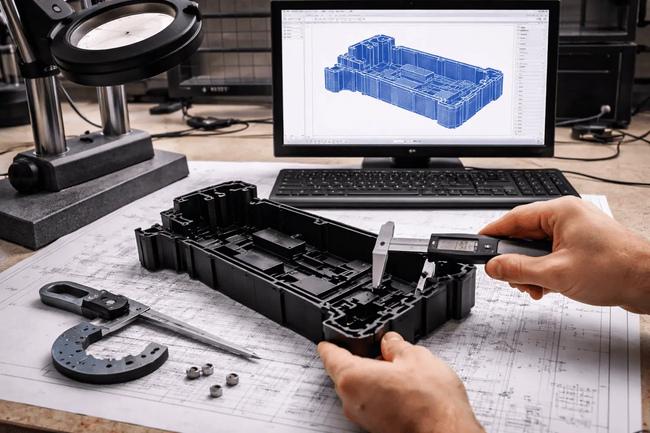
Injection Mold RFQ Checklist: What Information Should You Send?
The following injection mold RFQ checklist covers the information that manufacturers commonly need to evaluate a tooling project.
Some details are essential for a meaningful initial estimate. Others become necessary when the buyer requests a detailed, fixed-scope quotation.
| RFQ Information | Priority | What to Provide |
|---|---|---|
| 3D CAD model | High | Current part geometry in STEP, Parasolid, or another accepted format |
| 2D engineering drawing | High when available; required for specified drawing requirements | Critical dimensions, tolerances, notes, and applicable specifications |
| Material specification | High | Resin type or grade, reinforcement, color, and special requirements |
| Estimated production volume | High | Annual demand, expected order quantity, and project lifetime if known |
| Part application | Recommended | Intended use, assembly conditions, and important functional requirements |
| Cosmetic requirements | Required when applicable | Visible surfaces, texture, color, and appearance acceptance criteria |
| Tooling requirements | Required when specified | Preferred cavity count, mold life, runner system, tooling standards |
| Quality requirements | Required when applicable | Inspection, testing, documentation, and customer-specific approval needs |
| Delivery requirements | High | Target sample date, production timing, delivery location |
| Commercial requirements | Recommended | Currency, applicable trade terms, quotation scope, and payment expectations |
Minimum Information for an Initial Estimate
If your project is still in development, start with the current part geometry, intended material, approximate annual demand, and a description of the product’s function.
Also identify any unusual requirements that could significantly affect the tooling approach.
For example, a large cosmetic housing with demanding surface requirements may need a different manufacturing approach from a small internal plastic bracket.
The supplier may still need to make assumptions, but this information can support an initial discussion.
Additional Information for a Detailed Quotation
For a more detailed quotation, provide the current drawing revision, critical tolerances, defined material grade, expected production volumes, tooling expectations, and inspection requirements.
Specify whether you need only mold manufacturing or also molding trials, sample inspection, production, assembly, or other services.
Clearly identify any requirements that remain open.
Practical tip: Use “TBD” for information you have not finalized. An explicitly unresolved requirement is more useful than an incorrect value that the supplier treats as confirmed.
Which CAD Files and Drawings Are Needed for an Injection Mold Quote?
Part geometry is one of the most important inputs for an injection mold quotation.
The manufacturer needs to understand the component’s shape, approximate size, internal features, wall thickness, and potential tooling complexity.
Provide a Current 3D CAD Model
A 3D CAD model helps the manufacturer review the part geometry and identify potential mold-design considerations.
Many tooling suppliers accept neutral CAD formats such as STEP. Some also support native CAD formats or other neutral formats.
Before sending the file, confirm that it represents the latest design revision.
Use clear file names and avoid sending several conflicting versions without explaining which one controls the quotation.
For assemblies, identify the individual components that require injection molds.
Include 2D Drawings and Critical Tolerances
A 3D model describes geometry, but it may not communicate all manufacturing and inspection requirements.
Where applicable, a 2D drawing should identify:
- Critical dimensions and tolerances
- Important assembly interfaces
- Surface finish or texture requirements
- Material and color requirements
- Functional features that need special attention
- Relevant inspection or technical notes
Not every dimension needs an unusually tight tolerance.
Unnecessary precision requirements can complicate manufacturing and inspection, while missing critical tolerances can create uncertainty during quotation and sample approval.
Our guide to injection molding tolerances explains how part geometry, material behavior, and dimensional requirements interact.
What If the Product Design Is Not Final?
You can request an initial quotation before completing every design detail.
However, tell the manufacturer that the design is preliminary and identify the features that may change.
The supplier can then review the current model and explain which assumptions affect the estimate.
A DFM for injection molding review may help identify wall-thickness concerns, undercuts, draft requirements, and other manufacturability issues before the buyer commits to tooling.
If later revisions change the tooling scope, the manufacturer may need to update the quotation.
How Do Material, Production Volume and Mold Requirements Affect the Quote?
Two parts with similar dimensions can require different tooling and production approaches.
Material selection, expected demand, and mold specifications influence how a manufacturer evaluates the project.
Material Selection
The specified resin affects the molding process and may influence tooling decisions.
Different materials have different flow, shrinkage, temperature, and processing characteristics.
Some reinforced materials may also place greater wear demands on tooling components.
When preparing the RFQ, provide the material grade if you know it.
If you have only selected a general material family, state that clearly and describe the functional requirements that drive the selection.
Do not assume that two grades within the same polymer family will produce identical molding behavior or costs.
Estimated Annual Volume and Order Quantity
Production volume helps the manufacturer evaluate the appropriate tooling approach.
For example, a low-volume project may justify a different mold configuration from a project with substantial recurring demand.
The supplier may consider cavity count, mold construction, cycle-time expectations, and other factors when preparing the quotation.
Provide three figures where possible:
- Estimated annual volume: Expected demand over one year.
- Typical order quantity: Expected quantity per production order.
- Project lifetime: Estimated duration of the product program.
These values help the supplier distinguish between a small initial order and a long-term production requirement.
If you are unsure whether your project needs one or several cavities, our comparison of single-cavity and multi-cavity molds explains the main engineering and production trade-offs.
Tooling Specifications and Runner Systems
Tooling requirements may include mold materials, expected service life, cavity count, mold construction standards, and runner-system preferences.
A hot runner system and a cold runner system can create different tooling and production considerations.
However, buyers do not always need to select the runner system before requesting a quote.
If you have no technical preference, ask the manufacturer to recommend a suitable approach and explain its assumptions.
Our guide to hot runner vs cold runner molds provides additional context for this decision.
For a broader explanation of tooling cost drivers, see our article on injection mold cost.
What Quality, Cosmetic and Delivery Requirements Should Be Included?
An injection mold RFQ should describe the quality expectations that matter to the finished product.
Without this information, a supplier may prepare a quotation based on assumptions that do not match the buyer’s intended application.
Identify Critical Quality Requirements
Highlight dimensions and features that directly affect assembly, sealing, strength, movement, or other important functions.
If the part requires specific testing, inspection methods, or customer documentation, include those requirements in the RFQ.
Do not assume that every project requires the same inspection package.
For example, some customers require detailed dimensional reports or formal production approval documents. Others may use simpler sample acceptance procedures.
Define Cosmetic Surfaces and Finish Expectations
For visible plastic components, identify the surfaces that require cosmetic evaluation.
Provide color, texture, surface finish, and appearance requirements where applicable.
If the product uses an approved appearance sample or reference standard, explain how the manufacturer should apply it.
A cosmetic requirement that the supplier does not know about during quotation may create additional work later.
Clarify Trial Samples and Approval Requirements
Tell the manufacturer what samples and inspection information you expect before production approval.
Where applicable, specify the requested sample quantity, critical dimensions, assembly checks, and documentation requirements.
Manufacturers may use T0, T1, and T2 designations differently, so clarify the meaning of each trial milestone.
Our guide to the injection mold trial process explains how trial samples, corrective actions, and production approval relate to one another.
Confirm Delivery and Project Milestones
Provide the target sample date, expected production start, and delivery destination.
Ask the supplier to clarify when the quoted lead time begins and which activities it includes.
For example, a lead-time estimate may depend on design approval, deposit receipt, material availability, or another agreed project milestone.
Buyers should also distinguish between the timing for mold completion, sample submission, and production release.
How to Compare Injection Mold Quotations from Different Manufacturers
Comparing only the total tooling price can lead to an incorrect purchasing decision.
Two quotations may use different assumptions about mold construction, cavity count, production volume, sample inspection, or delivery.
Before comparing prices, make sure the suppliers are quoting a sufficiently consistent technical and commercial scope.
| Comparison Item | Supplier A | Supplier B | What to Verify |
|---|---|---|---|
| Tooling price | To be confirmed | To be confirmed | Included engineering, manufacturing, assembly, and testing scope |
| Mold specification | To be confirmed | To be confirmed | Mold materials, cavity count, and expected service requirements |
| Runner system | To be confirmed | To be confirmed | Hot runner, cold runner, and included components |
| Part unit price | To be confirmed | To be confirmed | Material, order quantity, packaging, and production assumptions |
| Trial samples | To be confirmed | To be confirmed | Included trials, sample quantities, and inspection documentation |
| Lead time | To be confirmed | To be confirmed | Starting milestone, trial timing, and delivery scope |
| Shipping terms | To be confirmed | To be confirmed | Delivery destination, trade terms, and included transport costs |
| Warranty and maintenance | To be confirmed | To be confirmed | Coverage, exclusions, responsibilities, and conditions |
| Tool ownership | To be confirmed | To be confirmed | Ownership terms, storage, access, and transfer conditions |
Compare the Same Technical Scope
Ask each supplier to confirm the material, cavity count, tooling approach, and quality requirements used in the quotation.
If one supplier proposes a different design, request an explanation of the technical and commercial differences.
A lower quotation may reflect a simpler tooling scope rather than a more competitive price for identical requirements.
Review What the Tooling Price Includes
Confirm whether the quotation includes mold design, manufacturing, assembly, trials, sample inspection, and other required activities.
Also clarify how the supplier will handle engineering changes after quotation approval.
Some changes may fall within the agreed scope. Others may require a revised price and schedule.
Evaluate Total Project Requirements
The lowest initial tooling price does not always produce the lowest total project cost.
Production efficiency, material usage, quality requirements, maintenance responsibilities, and project timing can affect the overall commercial outcome.
However, a higher price does not automatically indicate better quality.
Buyers should evaluate the supplier’s technical proposal, scope, evidence, and commercial conditions together.
Common Injection Mold RFQ Mistakes That Lead to Inaccurate Quotes
Several recurring mistakes make it difficult for manufacturers to prepare clear and comparable quotations.
1. Sending Only a Product Photo
A product photograph may help explain the application, but it usually does not provide enough geometry or dimensional information for a detailed tooling quotation.
Send a usable CAD model whenever possible.
2. Omitting the Material Specification
Different materials can require different processing conditions and may influence tooling decisions.
If the material remains undecided, describe the intended application and mark the specification as preliminary.
3. Providing No Production Volume
Without an estimated volume, suppliers may make different assumptions about cavity count and tooling construction.
Even an approximate annual forecast can improve the initial discussion.
4. Leaving Critical Tolerances Undefined
A 3D model does not always communicate the dimensional requirements that matter most.
Identify critical features and explain any special inspection expectations.
5. Ignoring Tool Ownership and Maintenance Terms
Buyers should clarify ownership, storage, access, maintenance, and possible tool-transfer arrangements when these matters affect the project.
Do not assume that every supplier uses the same commercial terms.
6. Comparing Quotations with Different Assumptions
A quotation based on a single-cavity mold should not be compared directly with a multi-cavity proposal without considering the differences in tooling and production scope.
Ask suppliers to document their assumptions so you can identify meaningful differences.
Injection Mold RFQ Template: Copy and Send to a Manufacturer
You can use the following template when preparing an injection mold RFQ.
Complete the fields that apply to your project. If you have not finalized a requirement, enter “TBD” and explain any known constraints.
Attach your current CAD files, drawings, and other relevant technical documents separately.
INJECTION MOLD RFQ - PROJECT INFORMATION

1. PROJECT DETAILS
Project / Product Name:
Part Name:
Part Number:
Current Design Revision:
Product Application:

2. DESIGN FILES
3D CAD File / Format:
2D Engineering Drawing:
Critical Dimensions / Tolerances:
Known Design Issues or Open Questions:

3. MATERIAL AND APPEARANCE
Plastic Material / Resin Grade:
Reinforcement or Additives:
Color:
Surface Finish / Texture:
Critical Cosmetic Surfaces:

4. PRODUCTION REQUIREMENTS
Estimated Annual Volume:
Typical Order Quantity:
Expected Project Lifetime:
Target Production Quantity:
Preferred Cavity Count (if any):

5. TOOLING REQUIREMENTS
Tooling Standard (if specified):
Expected Mold Service Requirements:
Preferred Runner System (if any):
Tool Ownership / Storage Requirements:
Other Tooling Requirements:

6. QUALITY AND APPROVAL
Critical Functional Requirements:
Assembly Requirements:
Inspection / Test Requirements:
Required Trial Samples:
Required Sample Approval Documents:
Customer-Specific Quality Requirements:

7. PROJECT SCHEDULE
Target First Sample Date:
Target Production Start Date:
Delivery Destination:
Required Trade Terms (if any):

8. QUOTATION REQUEST
Please Quote:
[ ] Injection Mold Tooling
[ ] Molded Plastic Parts
[ ] Tooling and Production
[ ] Other Services (Specify):

Requested Quote Currency:
Requested Quote Validity:
Requested Payment Terms (if any):

9. ADDITIONAL INFORMATION
Project Notes:
Known Constraints:
Requirements Still TBD:
Questions for the Manufacturer:
What Should You Do If Some RFQ Information Is Missing?
You do not need to invent specifications to complete the template.
For uncertain annual production volumes, provide a reasonable forecast range and explain that actual demand may change.
When the material grade is not yet finalized, identify the current candidate material and describe the product’s functional requirements.
If the tooling approach remains undecided, ask the manufacturer to recommend a suitable solution and clarify the assumptions behind its proposal.
The goal is to communicate what you already know, identify outstanding requirements, and highlight areas that still need engineering review.
What Happens After You Submit an Injection Mold RFQ?
After receiving an RFQ, a mold manufacturer typically reviews the submitted documents and checks whether the project requirements are clear enough for quotation.
The next steps may include:
- RFQ review: Check CAD files, drawings, material information, volume, and project requirements.
- Clarification: Identify missing information or conflicting specifications.
- Manufacturability assessment: Review major design and tooling considerations.
- Quotation preparation: Define the proposed tooling scope, production assumptions, pricing, and schedule.
- Buyer review: Compare the technical and commercial proposal with project requirements.
- Scope confirmation: Resolve open questions before finalizing the purchasing arrangement.
The exact workflow depends on the supplier and the project.
For complex components, the manufacturer may recommend a more detailed engineering review before confirming the final tooling approach.
Buyers should also review the quotation’s exclusions and assumptions before approving the project.
A clear agreement at this stage helps reduce disputes over tooling changes, sample requirements, and delivery expectations later.
Frequently Asked Questions About Injection Mold RFQs
What information do I need for an injection mold RFQ?
Start with a current 3D CAD model, intended plastic material, estimated production volume, and the part’s main functional requirements. For a detailed quotation, also provide engineering drawings, critical tolerances, cosmetic requirements, tooling expectations, inspection needs, and delivery information. Clearly identify any specifications that remain preliminary or undecided.
Can I request an injection mold quote without a 2D drawing?
Yes. Some manufacturers can prepare an initial estimate from a suitable 3D CAD model and supporting project information. However, a 3D model may not communicate critical tolerances, surface requirements, or inspection expectations. The supplier may need additional information before preparing a detailed quotation or confirming the final tooling scope.
Does an injection mold RFQ include the plastic part price?
Not automatically. An RFQ may request tooling cost, molded-part unit pricing, or both. The buyer should state which items require quotation. When reviewing an offer, confirm whether the supplier includes material, production quantities, packaging, sample inspection, shipping, and other relevant activities in the quoted scope.
How does annual production volume affect an injection mold quote?
Annual volume helps manufacturers evaluate tooling configuration, cavity count, expected service requirements, and production efficiency. A project with recurring high-volume demand may justify a different tooling approach from a low-volume application. Buyers should provide estimated annual demand, typical order quantities, and expected project lifetime when available.
How can I compare two injection mold quotations fairly?
Compare quotations using consistent part requirements, material specifications, production volumes, quality standards, and delivery conditions. Review the proposed mold design, cavity count, runner system, included trials, inspection scope, tooling ownership, and commercial terms. Ask suppliers to explain major assumptions or exclusions before comparing the total prices.
Final Thoughts: A Better RFQ Starts with Clear Project Information
An effective injection mold RFQ does not need unnecessary complexity, but it should give the manufacturer a clear picture of the part, production requirements, quality expectations, and commercial scope.
CAD files, material information, production volume, critical tolerances, and tooling expectations provide the foundation for a useful quotation.
When some requirements remain undecided, identify them openly and ask the supplier to document its assumptions.
This approach helps buyers compare quotations more consistently and reduces the risk of unexpected scope differences later in the project.
If you are preparing an injection molding project, you can share your CAD drawings, material specifications, estimated production quantities, and RFQ requirements through the PALUM project inquiry page to begin a discussion about your tooling and manufacturing needs.