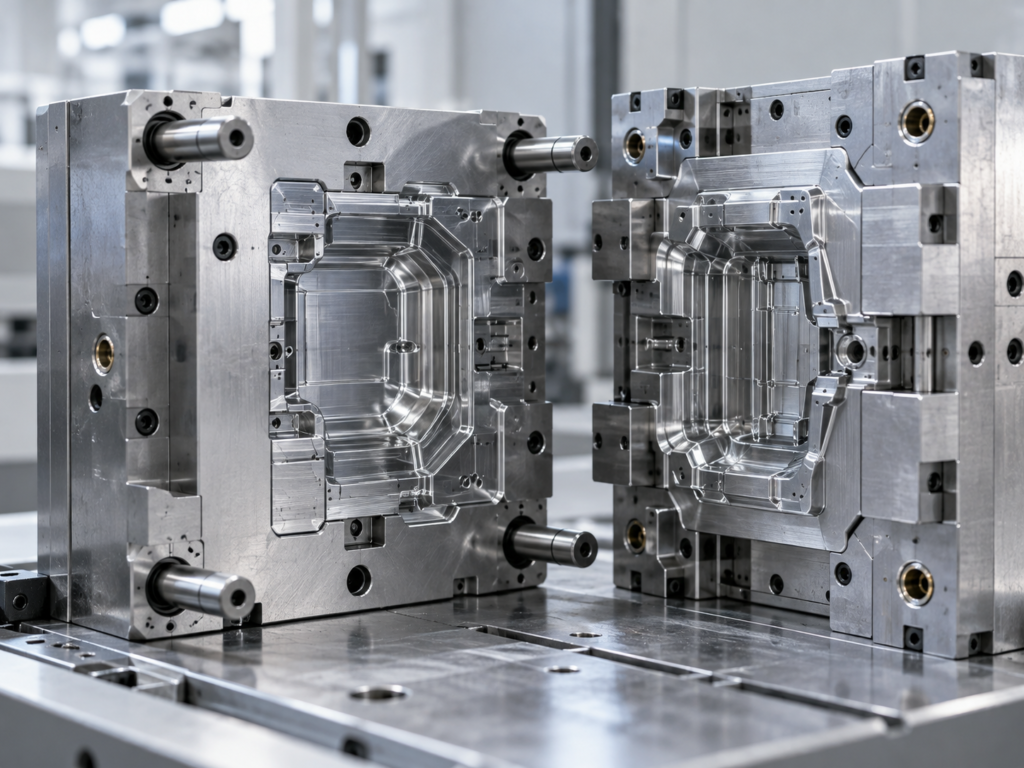
Choosing an injection mold manufacturer is not only about comparing mold prices.
For many plastic component projects, the mold determines much more than the initial tooling cost. It affects part quality, dimensional consistency, surface appearance, assembly fit, production stability and how smoothly the project moves from prototype or trial stage into repeat production.
When we review a new project at PALUM, we normally look beyond the mold drawing itself. Part geometry, material, expected production quantity, appearance requirements and assembly conditions all influence how the tooling should be developed.
So what should buyers actually look for when selecting an injection mold manufacturer?
Start with Engineering Capability, Not Just Machining Equipment
A mold factory may have CNC machines, EDM equipment and injection molding machines, but equipment alone does not guarantee that a mold will perform well in production.
The first question should be:
Can the manufacturer understand the final plastic part and translate those requirements into a workable mold design?
Before tooling begins, an experienced supplier should review areas such as:
- Wall thickness
- Ribs and bosses
- Draft angles
- Undercuts
- Parting lines
- Gate location
- Ejection
- Assembly interfaces
- Surface requirements
- Potential deformation or warpage
This is where DFM becomes important.
At PALUM, mold development typically starts with drawing and part requirement review. Depending on the project, engineering evaluation can also include moldflow and warpage analysis before final tooling decisions are made.
The goal is not simply to manufacture a mold that matches a CAD file.
The goal is to develop tooling that can consistently produce the intended part.
Check Whether Mold Manufacturing and Injection Molding Are Connected
One of the most important differences between mold suppliers is what happens after the mold is completed.
Some companies manufacture the tool and then hand it over without being involved in actual production.
For more complex projects, this can create problems.
A mold may look acceptable during machining but still require adjustment after real injection molding trials. Material flow, shrinkage, filling behavior, cooling, ejection and molded-part deformation can only be fully evaluated when the tool is tested under actual molding conditions.
For this reason, it is useful to work with a manufacturer that can support both:
Mold Manufacturing + Injection Molding
At PALUM, molds can be trialed in-house, and injection molding machines from 50T to 1000T allow different mold sizes and component types to be evaluated under production-related conditions.
This makes it easier to connect tooling decisions with actual molded-part results.
Look at Experience with Parts Similar to Yours
A supplier does not need to have manufactured your exact component before.
But relevant experience matters.
Different plastic parts create very different tooling challenges.
For example, an automotive exterior component may place more emphasis on:
- Large molded geometry
- Surface appearance
- Assembly fit
- Structural stability
An electronic enclosure may require:
- Compact internal features
- Bosses and snap fits
- Small assembly interfaces
- Consistent visible surfaces
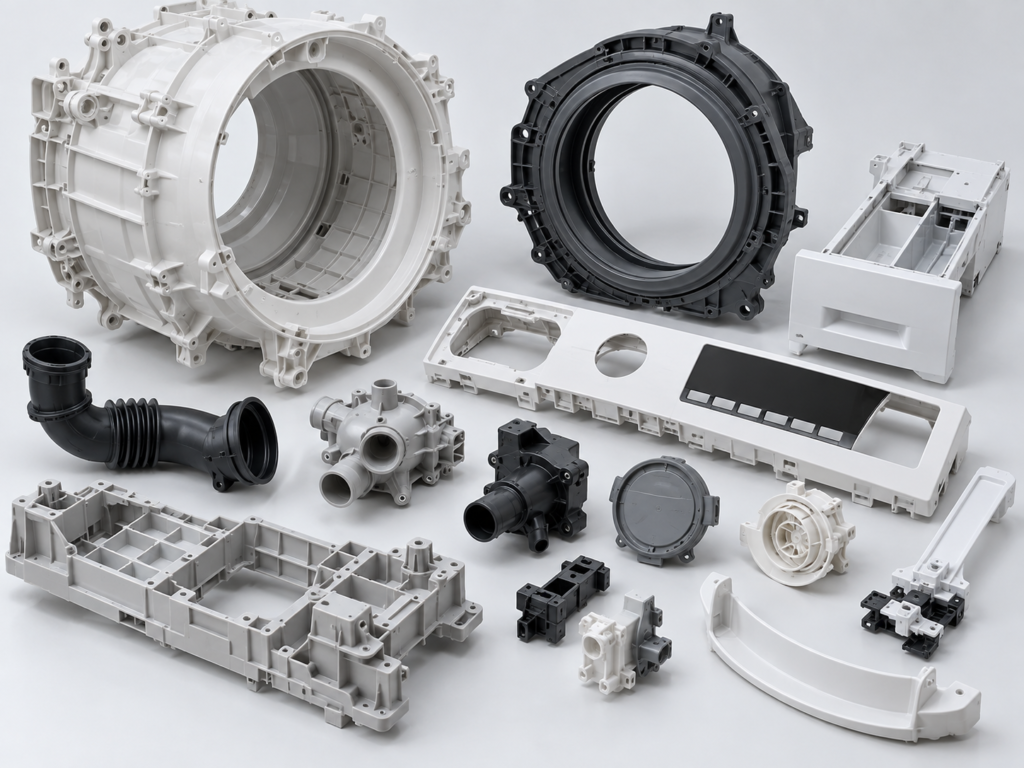
A home appliance housing may involve:
- Larger structural sections
- Multiple ribs and mounting features
- Appearance surfaces
- Repeatable assembly conditions
Medical device plastic components may require especially careful coordination around drawing requirements, part geometry, fit and project-specific acceptance criteria.
A capable injection mold manufacturer should be able to discuss the part from the perspective of its application, not just the tool structure.
Ask How the Manufacturer Handles Mold Trials
Mold trial is one of the most important stages in injection mold development.
This is where the design moves from theory to an actual molded component.
During a mold trial, the manufacturer should evaluate whether the tool can produce parts that meet the relevant project requirements.
Typical checks may include:
Part Formation
Does the cavity fill correctly?
Are there visible molding defects?
Are thin or complex areas forming as expected?
Dimensional Requirements
Critical dimensions should be reviewed according to the drawing or agreed inspection requirements.
Surface Appearance
Visible areas, textures and cosmetic surfaces may need to be evaluated depending on the application.
Assembly Fit
If the component interacts with other parts, mating features and assembly relationships can be important.
The important point is that mold trials should lead to clear engineering decisions.
A trial is not simply about producing the first sample.
It is about identifying what still needs to be adjusted before stable production.
Material Selection Should Match the Part
Another common mistake is selecting a material first and trying to force the design to fit it.
In reality, material selection should be based on the requirements of the final component.
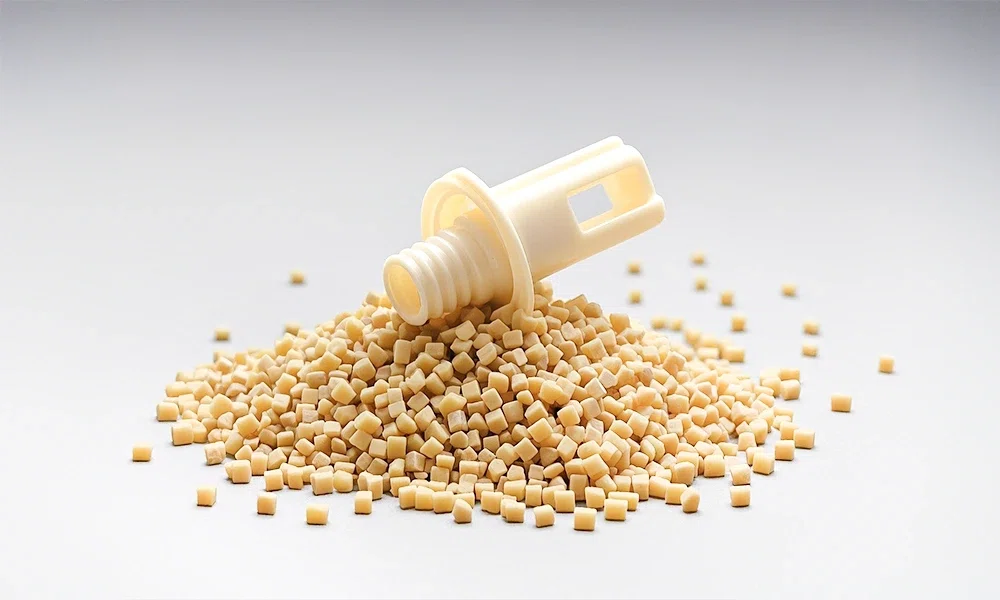
Common injection molding materials may include:
- ABS
- PP
- PC/ABS
- PA
- PBT
- POM
- PC
- PMMA
However, the material name alone does not determine whether it is suitable.
The manufacturer should also consider factors such as:
- Part geometry
- Surface appearance
- Dimensional stability
- Functional requirements
- Assembly conditions
- Molding behavior
- Project-specific material specifications
The mold design and molding process may need to change according to the resin being used.
That is why material discussion should happen before tooling decisions are finalized.
Evaluate Quality Control Around the Actual Project
It is easy for a supplier to say that it has “strict quality control.”
That phrase alone does not tell a buyer very much.
A more useful question is:
What will actually be inspected for my part?
The inspection scope should normally follow the requirements of the specific component.
This may include:
- Drawing dimensions
- Approved samples
- Surface requirements
- Assembly interfaces
- Mold trial findings
- Project-specific acceptance criteria
For some projects, dimensional control may be the priority.
For others, appearance, fit or functional features may be more important.
The quality plan should reflect the part rather than follow the same generic checklist for every project.
Do Not Evaluate a Mold Supplier Only by Tool Price
Tooling quotations can vary significantly between suppliers.
A lower mold price may look attractive at the beginning, but the real cost of a project includes much more than the mold invoice.
Buyers should also consider:
- Engineering communication
- Design review
- Tool manufacturing quality
- Mold trial support
- Modification efficiency
- Injection molding capability
- Production consistency
- Project coordination
If a mold requires repeated modifications after shipment or cannot produce stable parts, the original price difference can quickly become insignificant.
For B2B buyers, the better question is usually not:
“Who can make the cheapest mold?”
It is:
“Who can help us move from drawing to stable molded parts with fewer avoidable problems?”
What Information Should You Send to an Injection Mold Manufacturer?
The more useful information a manufacturer receives at the beginning, the more accurate the project review can be.
A good starting package normally includes:
Part Drawing or 3D Model
STEP, STP, X_T or other common 3D formats can help engineers understand the full geometry.
Material Requirement
If the resin or material grade is already specified, include it.
If it is not confirmed, explain the intended application and performance requirements.
Expected Production Quantity
Production quantity can influence mold structure, cavity planning and manufacturing decisions.
Appearance Requirements
Visible surfaces, texture, color or other cosmetic requirements should be identified early.
Assembly Information
If possible, provide mating-part information or explain how the component fits into the final assembly.
Even if some of this information is not available yet, the project can still begin with the drawing and the requirements you currently know.
Worth It: Why the Right Injection Mold Manufacturer Matters
For complex plastic parts, choosing the right injection mold manufacturer is worth more than simply negotiating a lower tooling price.
A good supplier connects:
Part Design → Mold Engineering → Tool Manufacturing → Mold Trial → Injection Molding → Part Verification
When these stages are coordinated, engineering decisions can be made around the final molded component rather than treating the mold as an isolated product.
PALUM supports precision injection mold manufacturing and injection molding for automotive, home appliance, medical device, electronics and other plastic component projects.
If you already have a drawing, 3D model or existing sample, the most practical next step is to send the available project information for an initial tooling and molding review.
Frequently Asked Questions
What files should I send to an injection mold manufacturer?
A 3D model and 2D drawing are the best starting point. You can also provide material requirements, expected production quantity, appearance requirements and assembly information if available.
Can an injection mold manufacturer help review my part design?
Yes. A manufacturer with engineering capability can review moldability, part geometry, ribs, bosses, draft, undercuts, assembly features and other details before tooling begins.
Is it better to use the same supplier for mold manufacturing and injection molding?
For many projects, it can simplify communication because mold trials, tooling adjustments and molding requirements can be coordinated within the same manufacturing workflow.
How are injection molds tested before production?
Mold trials are typically used to evaluate part formation, dimensions, appearance, fit and other project-specific requirements before repeat production begins.
What determines the cost of an injection mold?
Mold cost can be influenced by part size, geometry, cavity quantity, mold structure, material, surface requirements, tooling complexity and expected production requirements.
On This Page
<strong>PALUM Insights</strong>
Practical engineering information for injection molding and tooling projects.