Injection molding is used across many industries, but the requirements behind each molded plastic part can be very different.
An automotive exterior component does not create the same tooling challenges as a small electronic housing. A medical equipment enclosure may place more emphasis on dimensional consistency and project-specific acceptance requirements, while a home appliance component may combine large part geometry, visible surfaces and multiple assembly interfaces.
For mold manufacturers and injection molding suppliers, understanding these differences is important because the final application affects part design, material selection, mold structure, processing conditions and inspection requirements.
At PALUM, we support plastic component projects across automotive, medical devices, electronics and electrical products, and home appliances. Although the same core manufacturing technologies may be involved, each industry requires a different engineering approach.
Why Injection Molding Applications Differ by Industry
Injection molding begins with the same basic principle: molten plastic is injected into a mold cavity, cooled and ejected as a finished component.
However, the final application determines what matters most.
A project may prioritize:
- Dimensional accuracy
- Surface appearance
- Structural performance
- Assembly fit
- Compact molded features
- Material behavior
- Production repeatability
- Project-specific inspection requirements
These factors influence the mold long before production begins.
For example, a part with multiple ribs, bosses and mating features requires different tooling decisions from a simple cosmetic cover. A transparent component may require different surface and processing considerations from a structural automotive bracket.
This is why mold design should begin with the final part requirement rather than treating every injection molding project the same way.
Automotive Injection Molding Applications
Automotive plastic components often combine structural requirements, large or complex geometry, visible surfaces and multiple assembly interfaces.
Common automotive injection molding applications can include:
- Interior trim components
- Exterior plastic parts
- Grilles and decorative components
- Housings and covers
- Structural plastic parts
- Functional molded components
Automotive parts may vary significantly in size and complexity. Some projects involve larger molds and visible appearance surfaces, while others focus on functional geometry and assembly relationships.
Key Engineering Considerations
For automotive plastic parts, engineering review may need to consider:
- Large part geometry
- Rib and boss structure
- Mounting features
- Assembly interfaces
- Surface finish
- Part deformation
- Mold filling behavior
- Production repeatability
The relationship between tooling and molding is particularly important for larger components because trial results can reveal issues that are difficult to identify from CAD data alone.
Moldflow analysis, warpage evaluation and mold trials can help support engineering decisions before stable production is established.
Medical Device Plastic Components
Medical device injection molding projects often involve plastic housings, functional components and assembly-focused parts used in medical equipment.
The specific requirements depend on the component and application, so manufacturers need to work around the project drawing and confirmed acceptance criteria rather than assume that every medical plastic part follows the same standard.
Common applications may include:
- Diagnostic equipment components
- Medical equipment housings
- Precision functional components
- Handheld device components
- Assembly parts and covers
Key Engineering Considerations
Medical plastic component projects may place particular attention on:
- Dimensional requirements
- Assembly relationships
- Surface condition
- Material requirements
- Functional geometry
- Trial verification
- Project-specific inspection criteria
At the tooling stage, critical dimensions, mating features and visible areas should be identified clearly.
During mold trials, the manufacturer can then evaluate part formation, key dimensions, fit and surface condition according to the requirements of the specific project.
The goal is not to apply one generic inspection process to every medical component. The verification scope should follow the actual part and customer requirements.
Electronics and Electrical Injection Molding
Electronic plastic components are often smaller than automotive or appliance parts, but smaller size does not necessarily mean simpler tooling.
Compact housings can contain:
- Thin walls
- Small ribs
- Bosses
- Snap features
- Connector openings
- Internal supports
- Visible cosmetic surfaces
- Tight assembly interfaces
Typical electronics injection molding applications may include:
- Consumer electronics housings
- Earbud and charging case components
- Electric toothbrush components
- Small functional plastic parts
- Transparent plastic components
- Precision molded interfaces
Key Engineering Considerations
Electronics projects often require the tooling engineer to balance appearance, function and assembly within a compact part.
Important considerations can include:
- Compact geometry
- Moldability of small features
- Surface quality
- Part-to-part fit
- Snap and mating features
- Connector or control openings
- Dimensional consistency
- Repeatable molding
Material selection can also play an important role.
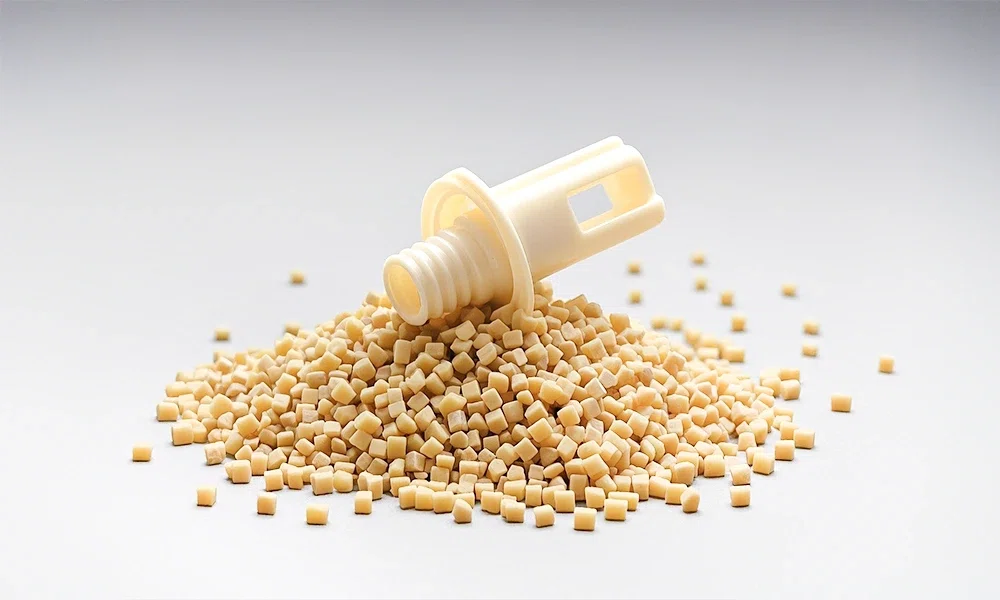
ABS, PC/ABS, PA, PBT, POM, PC and PMMA are examples of materials that may be considered depending on the component design and performance requirements.
However, the resin should be selected around the part rather than choosing a material first and forcing the design to match it.
Home Appliance Injection Molding
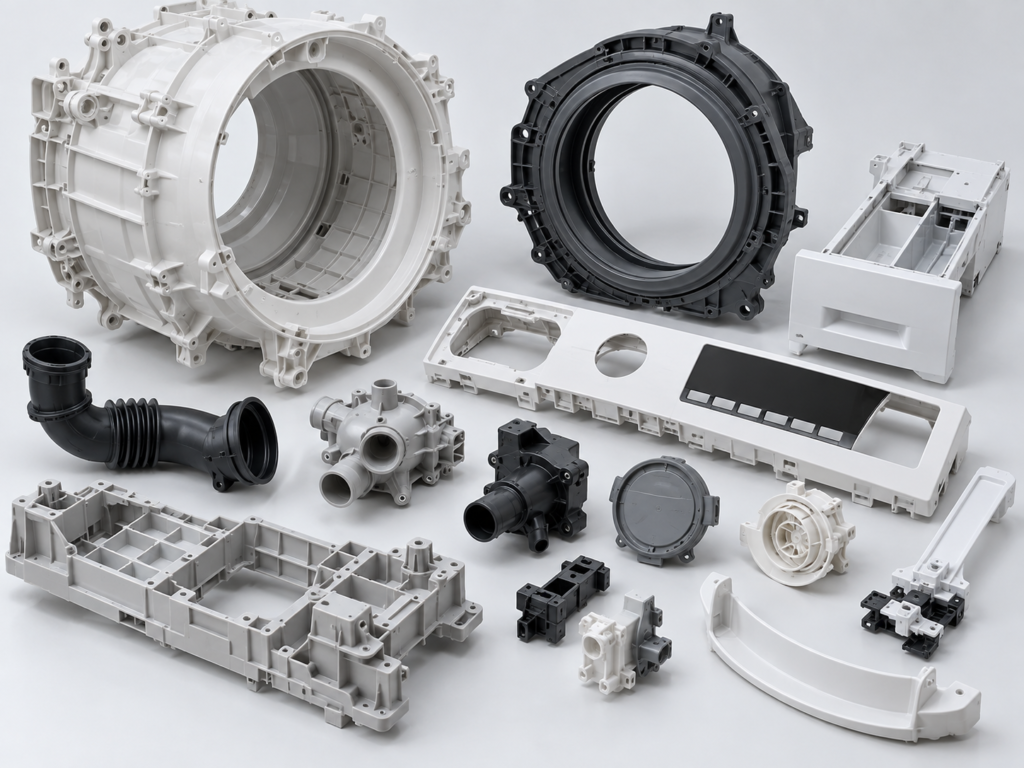
Home appliance plastic components can range from relatively small internal parts to large housings and structural components.
Typical applications may include plastic parts for:
- Washing machines
- Coffee machines
- Refrigerators
- Kitchen appliances
- Appliance housings
- Structural and assembly components
These projects often combine appearance requirements with structural geometry and multiple mounting or mating features.
Key Engineering Considerations
For home appliance plastic parts, tooling development may need to consider:
- Large or medium part geometry
- Housing structure
- Ribs and bosses
- Mounting features
- Surface appearance
- Assembly fit
- Dimensional stability
- Production repeatability
A washing machine component, for example, may involve a much larger molded structure than an electronic enclosure.
This can affect gate planning, cooling, ejection, deformation control and mold construction.
For visible appliance components, surface appearance may also become an important part of the mold and process planning stage.
Material Selection Depends on the Application
One of the clearest differences between injection molding applications is material selection.
There is no single plastic that is suitable for every industry or every part.
Common material families used in injection molding may include:
ABS and PC/ABS
Often considered for housings and appearance-focused components where geometry, surface condition and assembly requirements need to be balanced.
PP
Used in many general-purpose and structural plastic applications depending on part requirements.
PA, PBT and POM
Engineering plastics may be considered for functional or structural components where mechanical properties, molded details and dimensional requirements are important.
PC and PMMA
These materials can be relevant to transparent, translucent or appearance-focused plastic components.
The final decision should consider more than the material name.
Part geometry, functional requirements, appearance, assembly conditions, molding behavior and the specific material grade all need to be reviewed together.
Mold Design Should Follow the Final Part Requirement
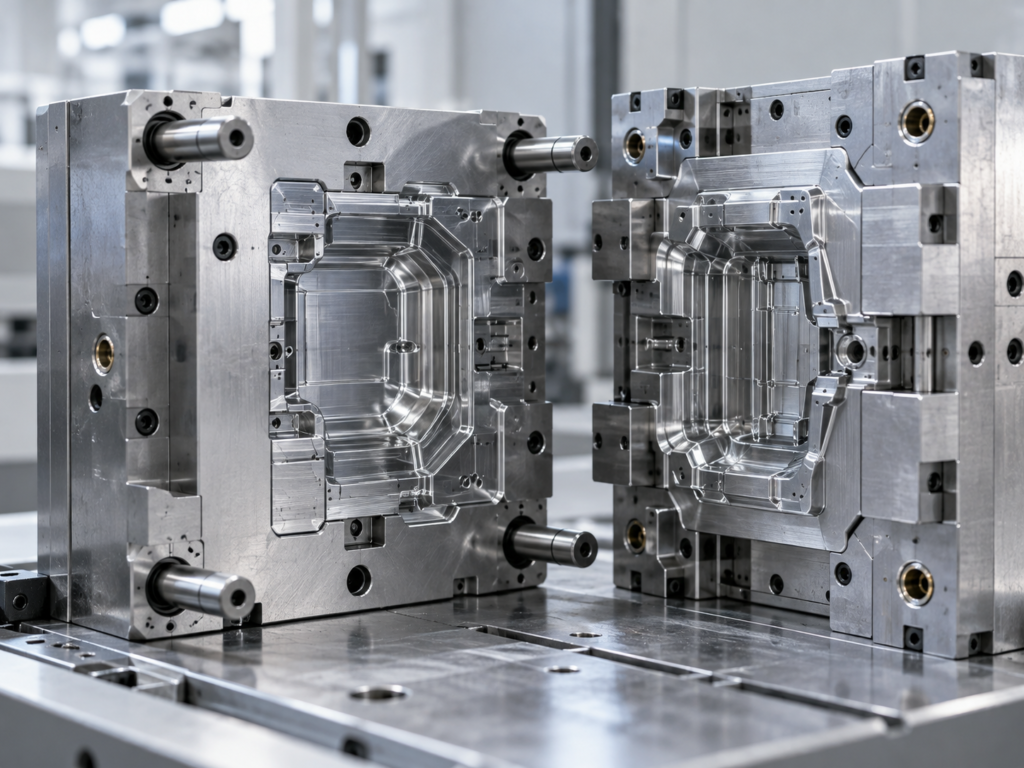
Different industries may use the same injection molding process, but the mold should always be developed around the finished component.
Before manufacturing begins, a DFM review can help identify areas that may affect moldability or production.
This may include:
- Wall thickness
- Draft
- Undercuts
- Ribs
- Bosses
- Parting lines
- Gate location
- Ejection
- Assembly interfaces
- Appearance surfaces
For more complex components, moldflow or warpage analysis may also be useful depending on the project.
The earlier these issues are identified, the easier it is to make tooling decisions before the mold reaches the trial stage.
Mold Trials Connect Tooling with Real Production
A mold is not fully evaluated when machining is complete.
The mold trial is where the tooling begins producing actual plastic parts.
This allows the manufacturer to review areas such as:
- Filling behavior
- Part formation
- Dimensions
- Surface condition
- Ejection
- Assembly fit
- Deformation
- Process stability
Trial results can then guide tooling adjustments or process changes.
This is one reason it can be valuable for mold manufacturing and injection molding to be coordinated within the same production workflow.
At PALUM, in-house mold trials and injection molding support allow tooling development to be evaluated together with the resulting molded part.
Quality Verification Should Be Project-Specific
Quality control also changes according to the injection molding application.
An automotive appearance component, a transparent electronic part and a medical equipment housing may require different inspection priorities.
The verification basis may include:
- Part drawings
- Approved samples
- Critical dimensions
- Assembly references
- Surface requirements
- Trial results
- Project-specific acceptance criteria
The inspection scope should therefore follow the component rather than rely on the same generic checklist for every project.
This approach helps connect manufacturing quality with the actual function of the molded part.
Choosing the Right Manufacturing Approach
The most effective injection molding process is not determined by industry name alone.
Two parts within the same industry may still require very different:
- Mold structures
- Materials
- Cavity layouts
- Processing conditions
- Inspection methods
The best starting point is always the actual component.
A drawing, 3D model, existing sample or available project information allows the mold manufacturer to evaluate the requirements more accurately.
From there, tooling, molding and verification can be planned around the specific part.
From Application Requirements to Production
Injection molding applications cover a wide range of industries, but successful projects have one thing in common: the manufacturing process must be developed around the final plastic component.
Automotive projects may emphasize larger geometry and assembly relationships. Medical device components may require project-specific dimensional and verification planning. Electronics often involve compact features and appearance requirements, while home appliances may combine larger housings, structural features and visible surfaces.
PALUM supports mold engineering, precision mold manufacturing, mold trials and injection molding for plastic component projects across these industries.
If you have a part drawing, 3D model or existing sample, sharing the available project information is the most practical first step toward evaluating the tooling and injection molding requirements.
Frequently Asked Questions
What industries commonly use injection molding?
Injection molding is widely used for automotive, medical device, electronics, electrical product, home appliance and many other plastic component applications.
Are injection molds different for each industry?
Yes. Mold structure depends primarily on the specific part geometry, material, production requirements, surface requirements and assembly conditions rather than the industry name alone.
How is material selected for an injection molded part?
Material selection should consider part function, geometry, appearance, assembly conditions, molding behavior and any project-specific material requirements.
Why is DFM important for injection molding applications?
DFM helps identify potential moldability, tooling and production issues before mold manufacturing begins, reducing avoidable changes later in the project.
Can one supplier support both mold manufacturing and injection molding?
Yes. When both processes are coordinated by the same manufacturer, mold trials, tooling adjustments and production requirements can be reviewed within the same workflow.
On This Page
<strong>PALUM Insights</strong>
Practical engineering information for injection molding and tooling projects.